

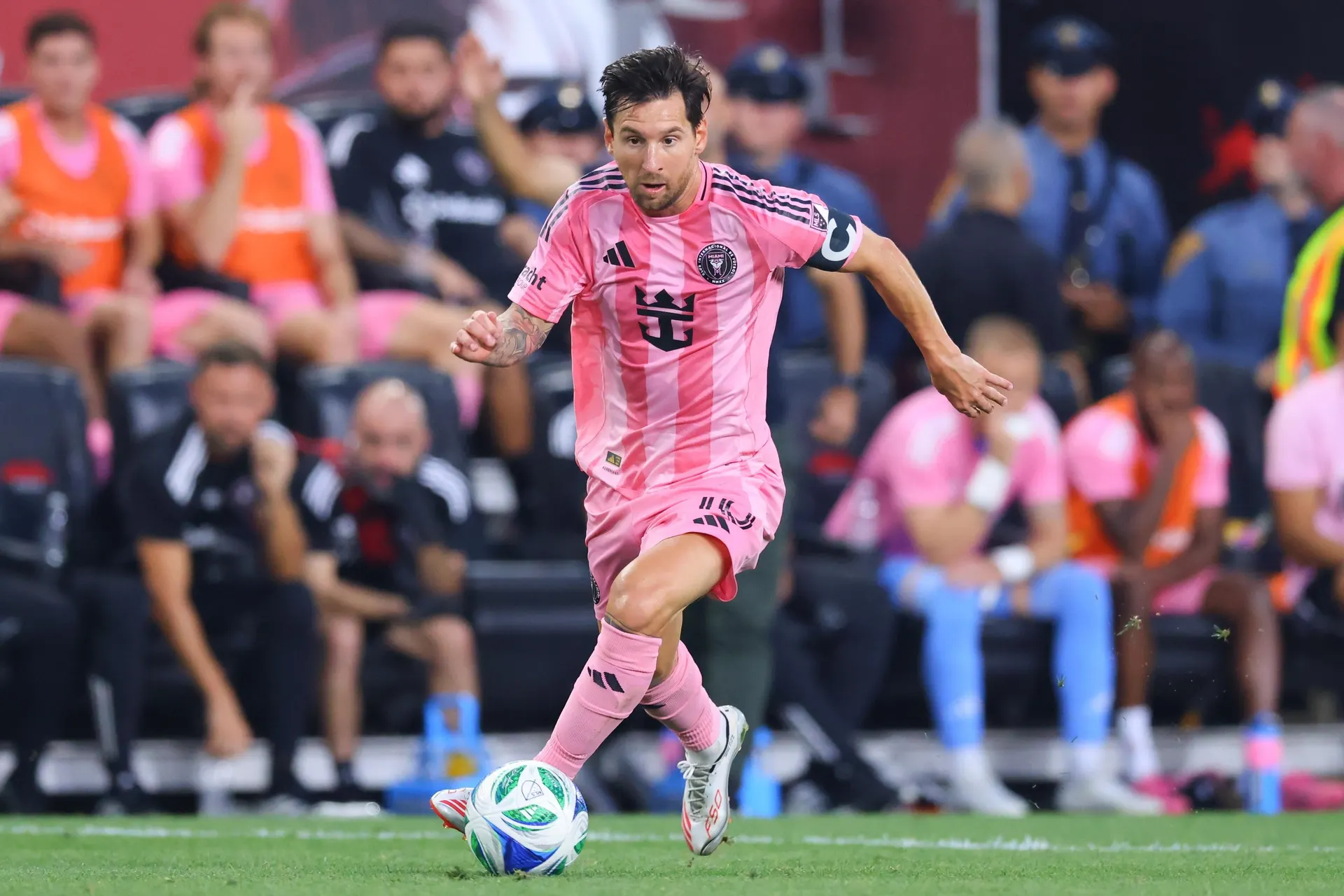
For years, American soccer had the same strange problem: millions played it, yet fewer made it part of their weekly sports routine. The Messi MLS Impact changed that gap because it gave casual U.S. fans a clear reason to watch, talk, and compare MLS with the leagues they already knew. It did not solve every issue. It did not turn MLS into the NFL. But it made the league harder to ignore at kitchen tables, youth fields, sports bars, and school pickup lines. Apple’s 2023 Messi debut coverage put Inter Miami in front of a global streaming crowd, and MLS later reported record regular-season attendance in 2024, with more than 11.45 million fans across the season. For American parents, coaches, and young players, that matters. A kid who sees Messi on a Saturday night may ask for a ball on Sunday morning. That bridge between American soccer viewership and youth soccer participation is where the real story lives, and sports media visibility is part of why one player’s arrival became bigger than one club.
The Messi MLS Impact Starts With New Viewing Habits
Messi’s arrival did not create American soccer from scratch. That idea insults decades of work by local clubs, immigrant families, women’s soccer, college programs, and MLS supporters who were buying tickets long before Miami wore pink. The change came in attention. Messi gave MLS a shared national reference point, which is rare in a league spread across many time zones and local markets.
Why MLS Season Pass Made Messi Feel Closer
Before Messi, MLS often asked U.S. fans to hunt for matches across local broadcasts, national windows, and changing schedules. Apple’s MLS Season Pass era changed the habit. One app, every match, no local blackout. For a sport still teaching Americans when and how to watch, that mattered as much as the star himself.
Apple promoted Messi’s Inter Miami debut in July 2023 as a global event on MLS Season Pass, then opened the 2024 season with Messi and Inter Miami hosting Real Salt Lake. That gave the league a simple front door. A new viewer did not need to understand MLS conferences, roster rules, or playoff quirks. They knew the name on the screen.
The non-obvious part is this: streaming may have helped casual viewers more than die-hard fans. Hardcore supporters already knew where to look. Casual fans needed one clean reason and one clean place. Messi supplied the reason; Apple supplied the place. That pairing raised American soccer viewership because it cut friction from the first click.
How Casual Fans Became Part-Time MLS Viewers
Most U.S. sports fans do not change habits overnight. They sample. They watch highlights. They ask who Miami plays next. They compare Messi’s touch to what they see in the Premier League or Champions League. That part-time behavior still has value because American sports culture often grows through weak ties before it forms hard loyalty.
Sports Business Journal reported that MLS Season Pass passed 2 million subscribers by the end of 2023, after being under 1 million before Messi’s July debut, according to its sources. That does not mean every new subscriber became a weekly MLS fan. It means Messi moved people from awareness into trial.
A good example is the parent who never watched MLS but already paid for Apple TV. In 2026, Apple’s MLS coverage moved into the main Apple TV subscription, making every match available there without a separate Season Pass purchase. That kind of access lowers the barrier for families. A match can become background on a Saturday, then a shared routine. Habits often start that quietly.
American Soccer Viewership Grew, but Not in a Simple Straight Line
The easiest story says Messi arrived and MLS exploded. The truer story is more uneven. Attendance rose in clear ways, streaming interest jumped, and Inter Miami became a road attraction. Yet the broader U.S. sports market is crowded. Football owns fall weekends. The NBA and NHL stretch deep into spring. Baseball fills summer nights. MLS has to earn room inside that noise.
Attendance Shows the Messi Pull and the League’s Wider Test
MLS announced a regular-season attendance record in 2024, with 11,454,205 fans and a five percent rise over 2023. That is not a small bump. It proves soccer has live-event strength in the United States, especially when clubs package the match as a full night out.
But attendance also shows the limit of star gravity. MLS said 2025 ranked second in league history for total regular-season attendance, with 11.2 million fans and an average of 21,988 per match. That is strong, yet lower than the 2024 average. The message is clear: Messi can raise the roof, but the house still needs solid beams.
The counterintuitive lesson is that a dip after a record year can be healthy if the league studies it honestly. A star-led spike tells MLS what fans will show up for. A softer year tells MLS what fans will not show up for without better local storytelling, stronger rosters, easier schedules, and matchdays that feel worth the cost.
Why Highlight Culture Helps and Hurts MLS
Messi is perfect for short-form clips. One pass can travel across TikTok, Instagram, YouTube, and group chats before the final whistle. That gives MLS reach it could never buy through old TV ads. A 14-year-old in Phoenix might see a Miami highlight before seeing the final score.
Still, highlight culture can create a hollow kind of attention. Fans may know the assist but not the opponent. They may know the celebration but not the standings. That is the tension at the center of American soccer viewership. MLS must turn clip watchers into match watchers, then match watchers into club followers.
Inter Miami’s road matches show the difference. When Messi comes to town, stadiums feel like events. When he does not play, the local product has to carry itself. The smarter MLS clubs see this as a challenge, not an insult. Use Messi to bring new faces in, then give them a reason to return when the jersey on the field is not Miami’s.
Youth Soccer Participation Depends on Access, Not Star Power Alone
A famous player can inspire a child, but a child still needs a place to play. That is where the Messi story gets more serious. The United States already has millions of kids who love soccer, yet the youth system often asks families to pay club fees, travel costs, tournament bills, and private training expenses before a child is treated as promising.
The Messi Effect at Parks, Schools, and Weekend Fields
You can see Messi’s influence in small scenes. A kid tries a left-footed dribble at recess. A coach hears more players ask for the number 10. A parent who never watched MLS now knows Inter Miami’s colors. None of that appears neatly in a spreadsheet, but culture often moves before data catches up.
SFIA reported that outdoor soccer participation in the United States reached 16.8 million people in 2025, while indoor soccer reached 6.6 million, both record marks in its tracking. Messi was not the only cause. The 2026 World Cup build-up, women’s soccer, Latino soccer culture, school programs, and local clubs all share credit. But his presence gave the sport a face that even non-soccer households recognized.
For youth soccer participation, recognition matters. Kids do not always begin with tactics. They begin with imitation. They copy the player who makes the sport feel alive. Messi’s low center of gravity, short passing, and calm finishing also send a useful message to smaller American kids: soccer greatness is not only about height, speed, or power.
Pay-to-Play Is the Wall Messi Cannot Dribble Past
The hard truth is that inspiration does not pay registration fees. In many U.S. markets, competitive youth soccer still favors families with money, cars, free weekends, and flexible schedules. That leaves too many talented players outside the best training spaces before anyone can measure their ceiling.
U.S. Soccer’s Soccer Forward work is aimed at broader access through schools, community programs, safe places to play, and local support. In 2026, U.S. Soccer also described Soccer Forward Communities as a local approach meant to build lasting, inclusive soccer ecosystems rather than one-time events. That direction matters more than another celebrity clinic.
Here is the non-obvious point: Messi may increase demand in places least ready to serve it. If more kids want to play, but fields are booked, fees climb, and volunteer coaches burn out, the sport can waste its own moment. The next step for youth soccer development is not more hype. It is cheaper entry, better coaching support, and more playable space close to home.
MLS Must Turn Messi Attention Into Local Loyalty
The Messi era is a test of whether MLS can move from star tourism to community belonging. A fan who buys a ticket to see Messi is not yet an MLS fan. A kid who wears an Inter Miami shirt is not yet connected to a nearby club. The league’s work is to make the local team feel like part of the same dream, not the cheaper version of it.
Local Clubs Need Stories Bigger Than One Superstar
American fans understand local loyalty. They wear college colors for life. They follow minor league baseball teams because the ballpark belongs to the town. MLS has to claim that same emotional ground, especially in markets where soccer still fights for oxygen.
Messi opened a national door, but clubs like Columbus, Cincinnati, St. Louis, Seattle, LAFC, Atlanta, and Philadelphia have to keep people inside the room. That means clear player stories, academy pathways, supporter culture, and matchdays that feel different from every other entertainment option.
The mistake would be copying Miami’s formula without Miami’s player. Not every club can sell a global icon. Many can sell something more durable: a local kid earning minutes, a rivalry with bite, a coach with a clear style, or a stadium section that pulls new fans into the noise. MLS fan culture growth depends on that local texture.
The 2026 World Cup Could Lock In the Next Generation
The 2026 World Cup gives American soccer a rare second wave. Messi brought attention to MLS. The World Cup can bring national scale, school conversations, watch parties, and new families into the sport. The league and youth programs need to meet that moment with clean entry points.
SFIA’s broader 2026 soccer participation data showed the share of Americans playing indoor or outdoor soccer rising from about 6.7 percent in January 2023 to nearly 8 percent by May 2026. That growth suggests the sport is not waiting for one tournament. It is already moving.
The quiet danger is that American soccer treats attention as achievement. Attention is fuel, not the trip. If MLS schedules better, markets local stars, keeps matches easy to watch, and supports youth pathways, Messi’s time here can become a hinge point. If not, it becomes a beautiful chapter people remember without changing what they do next weekend.
Conclusion
The Messi story in the United States is not a fairy tale, and that makes it more useful. He made MLS easier to notice, easier to sample, and easier for parents and young players to discuss without needing a long soccer background. He also exposed the parts of the system that still feel unfinished: paid access, uneven local loyalty, and the gap between viral attention and steady viewing. The Messi MLS Impact matters because it gave American soccer a rare shortcut into the national conversation, but shortcuts do not replace roads. MLS has to build those roads through better club storytelling, accessible broadcasts, stronger youth links, and lower-cost ways for kids to play. The best outcome is not that every child becomes Messi. It is that more children see soccer as theirs, more families can afford the path, and more U.S. fans choose a local match when no superstar is required. That is the future worth chasing now.
Frequently Asked Questions
How has Lionel Messi changed MLS viewership in the United States?
Messi gave casual U.S. fans a clear reason to sample MLS, especially through Apple’s soccer coverage. The bigger change is habit formation. More people now know when Inter Miami plays, where matches stream, and why MLS deserves space beside older American leagues.
Did Messi directly increase youth soccer participation?
He likely helped spark interest, but no honest reading gives him full credit. Youth growth also comes from the 2026 World Cup build-up, school programs, women’s soccer, Latino soccer culture, and local clubs. Messi works best as an entry point, not the whole engine.
Is MLS more popular now because of Inter Miami?
Inter Miami became the league’s most visible club, but MLS popularity depends on more than one team. The league needs local loyalty in every market. Miami can bring new viewers in, while clubs across the country must give those viewers reasons to stay.
Why does Apple TV matter so much for MLS growth?
Easy access changes behavior. When fans know one service carries the matches, they face less friction. Streaming also helps younger viewers who already watch sports through apps, clips, and on-demand content instead of old local TV habits.
What does Messi’s arrival mean for young American players?
It shows young players that skill, timing, and decision-making can matter as much as size. Messi’s style is easy for kids to copy in small spaces. That can shape how players train in backyards, parks, futsal courts, and youth sessions.
Can MLS keep growing after Messi leaves?
Yes, but only if the league turns borrowed attention into club loyalty. That means better local stories, more visible homegrown players, stronger rivalries, and matchdays that feel worth repeating. A star can open the door. Clubs have to keep fans inside.
What is the biggest barrier to youth soccer growth in America?
Cost remains the biggest wall for many families. Club fees, travel, gear, tournaments, and private training can push talented kids away early. Better school access, community fields, and low-cost programs matter as much as famous players on television.
Will the 2026 World Cup make Messi’s MLS influence stronger?
The World Cup can extend the soccer boom if U.S. programs are ready for new interest. Messi made MLS more visible before the tournament. The next step is turning that visibility into local playing chances, youth sign-ups, and steady American soccer habits.