

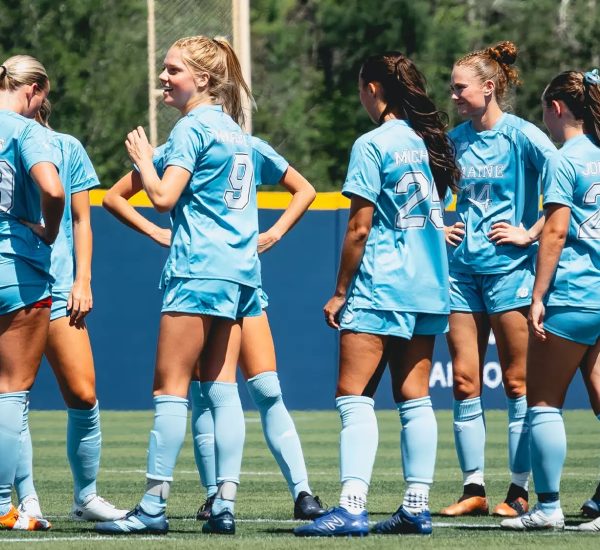
A season tells on people fast. The scoreboard shows wins and losses, but the harder truth usually shows up in the huddle, on the bench, and in the locker room after something goes wrong. For American teams, from Friday night football in Texas to NBA playoff nights in Boston, team identity rarely comes from slogans printed on walls. It forms when pressure strips away the pretend parts and leaves only habits, trust, and shared nerve. Fans may see the final score, but coaches and players see who communicated after a blown coverage, who kept running after a bad call, and who stayed calm when the noise got loud. That is why coverage from a sports-focused media network often matters most when it explains the human layer behind the result, not only the highlight. Pressure does not create character from nothing. It exposes what has been practiced, tolerated, and protected long before the biggest moment arrives.
Why Team Identity Becomes Clear When Comfort Disappears
Comfort can fool everyone. A team may look connected during a soft stretch of the schedule, when shots fall, opponents are tired, and every player gets the role he wants. The real test starts when the easy rhythm breaks. In American sports, pressure and adversity turn a team from a collection of uniforms into something the public can recognize, trust, or doubt.
How pressure exposes real locker room culture
Strong locker room culture sounds simple until a losing streak arrives. Players who cheered loudly during wins may grow quiet when minutes shrink or criticism builds. Coaches who preach accountability may protect a star from the same standard they demand from the bench. That gap becomes visible fast.
The best teams do not avoid tension. They manage it without letting it poison the room. A veteran pulling a young player aside after a late mistake can do more for team chemistry than a polished speech after practice. The message is plain: mistakes happen, but drifting away from the group does not.
Pressure also reveals which voices carry weight. Some leaders talk often but shrink when the season tightens. Others speak less, then steady the room with one sentence after a rough loss. That kind of leadership rarely looks dramatic from the outside, but teammates feel it.
Why adversity separates belief from branding
Team branding can create noise, but adversity tests belief. A franchise can sell a hard-nosed image through uniforms, videos, and pregame introductions, yet none of it matters if players stop trusting one another after a bad month. The court, field, or ice does not care about marketing.
Real belief shows up in small choices. A wide receiver blocks downfield when he has not caught a pass. A point guard keeps feeding a teammate who missed four shots. A defense celebrates a third-down stop even after the offense failed on the previous drive.
That is where pressure and adversity become useful. They remove the comfortable story and force the team to write a cleaner one. Fans may not know every practice detail, but they can sense when a group has stopped pretending and started playing for something shared.
How Coaches Shape Identity Before the Crisis Hits
The public often credits coaches after a dramatic win, but the better work happens earlier. Coaches build the habits that survive stress before stress arrives. Once the season turns hostile, speeches lose power unless the team has already been trained to respond together.
Why standards matter more than speeches
A coach’s standard becomes believable only when it applies on an ordinary Tuesday. If a star jogs through drills and nobody says a word, the bench learns the truth. If a rookie makes the same mistake and gets embarrassed in front of everyone, resentment starts growing under the surface.
American sports history is full of teams that carried talent but lacked discipline. The issue was not always effort. It was often uneven enforcement. Players can accept hard coaching when it feels honest. They tune it out when it feels political.
Clear standards protect team chemistry because everyone knows the deal before emotions rise. Run the floor. Make the extra pass. Own the missed assignment. Speak directly. Those rules sound basic, but under pressure they become the guardrails that keep a team from swerving into blame.
How role clarity keeps pressure from turning personal
Role confusion can ruin a season quietly. A player who does not understand his place may treat every substitution as an insult. A backup who expects more touches may stop doing the dirty work that once earned trust. Small frustrations become louder when the standings tighten.
Good coaches talk about roles before crisis turns them into arguments. They explain not only what a player must do, but why that job matters to winning. A defensive stopper, a screen-setter, a special teams ace, or a sixth man can all carry pride when the role has meaning.
This matters in U.S. sports because rosters constantly change through drafts, trades, injuries, and free agency. A team cannot depend on personality alone. It needs a shared operating system. When pressure rises, role clarity lets players act instead of wondering where they stand.
How Players Turn Hard Moments Into Shared Trust
Coaches set the frame, but players decide whether the frame holds. The locker room has its own court of truth. Teammates know who watches extra film, who protects the group in public, and who disappears when responsibility gets uncomfortable.
Why player leadership is built in private moments
Player leadership usually grows away from cameras. A captain may correct a teammate during walkthrough. A backup may keep energy high during a flat practice. A starter may admit a mistake before anyone else has to name it. Those moments do not trend, but they travel through a roster.
Trust grows when players see the same behavior repeat. One apology after a bad game is fine. A month of steady work after that apology means more. Teammates believe what they can predict.
Pressure gives these private habits a public stage. When a quarterback takes blame after a failed final drive, the offense hears it. When a veteran defender refuses to point fingers after a blown coverage, the secondary feels protected. That protection does not excuse mistakes. It keeps mistakes from breaking the room.
How shared pain creates stronger team chemistry
Winning together feels good, but losing together can teach more. A painful playoff exit, a blown lead, or a midseason collapse forces players to face the same scar. Some groups use that scar as fuel. Others keep touching it until it opens again.
Shared pain only helps when the team tells the truth about it. Pretending a failure did not happen creates fake peace. Obsessing over it creates fear. The healthier path sits in the middle: name what happened, learn what it exposed, and return with cleaner habits.
That process can create a deeper team identity than success alone. Fans in cities like Philadelphia, Detroit, Cleveland, and Buffalo understand this well. They often connect with teams that fight through hard seasons because the struggle feels familiar, not scripted.
Why Fans Recognize Identity Before Teams Announce It
Fans do not need access to the locker room to notice who a team is becoming. They read body language, effort, late-game choices, and how players respond after disappointment. In the USA, where sports teams often carry regional pride, identity becomes a public relationship.
How fan trust grows through visible resilience
Fan trust is not built only by championships. It grows when a team keeps showing a recognizable standard. A baseball club that grinds through at-bats during a cold April stretch earns patience. A football team that tackles hard despite offensive struggles gives fans something to respect.
Resilience has a sound. It is the crowd rising after a defensive stand, the bench staying alive during a comeback attempt, and the home arena refusing to go quiet because the team still looks present. Fans can forgive missed shots faster than they forgive surrender.
This connection becomes powerful because people see themselves in teams that keep fighting. Work gets hard. Families face setbacks. Cities take hits. A team that responds with grit gives fans a mirror they want to stand behind.
Why winning without identity rarely lasts
Some teams win games without becoming memorable. They have talent, good timing, or a hot stretch, but no clear emotional shape. When the pressure changes, they become hard to trust because nobody knows what they fall back on.
Winning without identity often depends on conditions staying friendly. Shots must fall. Health must hold. Stars must stay comfortable. Once one piece shakes loose, the whole thing feels fragile.
Teams with strong locker room culture handle disruption with less panic. They may still lose, but they lose in a way that leaves a path forward. That difference matters. A season can end, but belief can survive if the group gives people a reason to keep watching.
Conclusion
Every team wants the public to believe it stands for something, but belief has to be earned in uncomfortable places. Pressure turns vague words into visible choices, and adversity shows whether those choices belong to everyone or only to the people who talk the loudest. The teams that last are not always the most talented on paper. They are the ones that know how to absorb stress without turning on each other. Coaches set the standards, players protect them, and fans eventually recognize the pattern. That is how team identity becomes more than a phrase. It becomes a way of moving through hard games, hard weeks, and hard seasons without losing the thread. The next time you watch your favorite team face a brutal stretch, look past the score for a moment. Watch who communicates, who responds, and who stays connected when the game stops being easy.
Frequently Asked Questions
How does pressure build a stronger sports team?
Pressure builds a stronger sports team by forcing players and coaches to rely on habits instead of mood. When the game gets tense, communication, trust, and discipline matter more than talent alone. Teams that respond together often become harder to break later.
Why does adversity reveal locker room culture?
Adversity reveals locker room culture because frustration removes the mask. Players show whether they protect teammates, accept coaching, and keep working when rewards are not immediate. A healthy room handles conflict directly instead of letting blame spread quietly.
What makes team chemistry stronger during a tough season?
Team chemistry gets stronger when players solve problems together instead of separating into small groups. Shared accountability, clear roles, and honest communication help a roster stay connected through losses, injuries, and public criticism.
How can coaches create identity before big games?
Coaches create identity before big games by setting standards long before the spotlight arrives. Practice habits, role clarity, and fair accountability teach players how to respond when pressure rises. Big games reveal preparation more than they create it.
Why do fans care about a team’s identity?
Fans care about a team’s identity because it gives them something deeper than the final score. People want to support a group that plays with effort, pride, and a clear standard. Identity makes a team easier to believe in.
Can a losing team still have strong identity?
A losing team can still have strong identity when effort, growth, and accountability remain visible. Fans may accept a rebuilding year if the team competes with purpose and shows signs of becoming tougher, smarter, and more connected.
What role do veteran players play in team culture?
Veteran players shape team culture by modeling how to prepare, respond, and communicate. Younger players often learn more from daily behavior than formal advice. A steady veteran can keep a locker room grounded during rough stretches.
How do pressure and adversity affect long-term success?
Pressure and adversity affect long-term success by revealing which habits are strong enough to survive stress. Teams that learn from hard moments often return with better trust, clearer roles, and a sharper sense of what winning demands.