

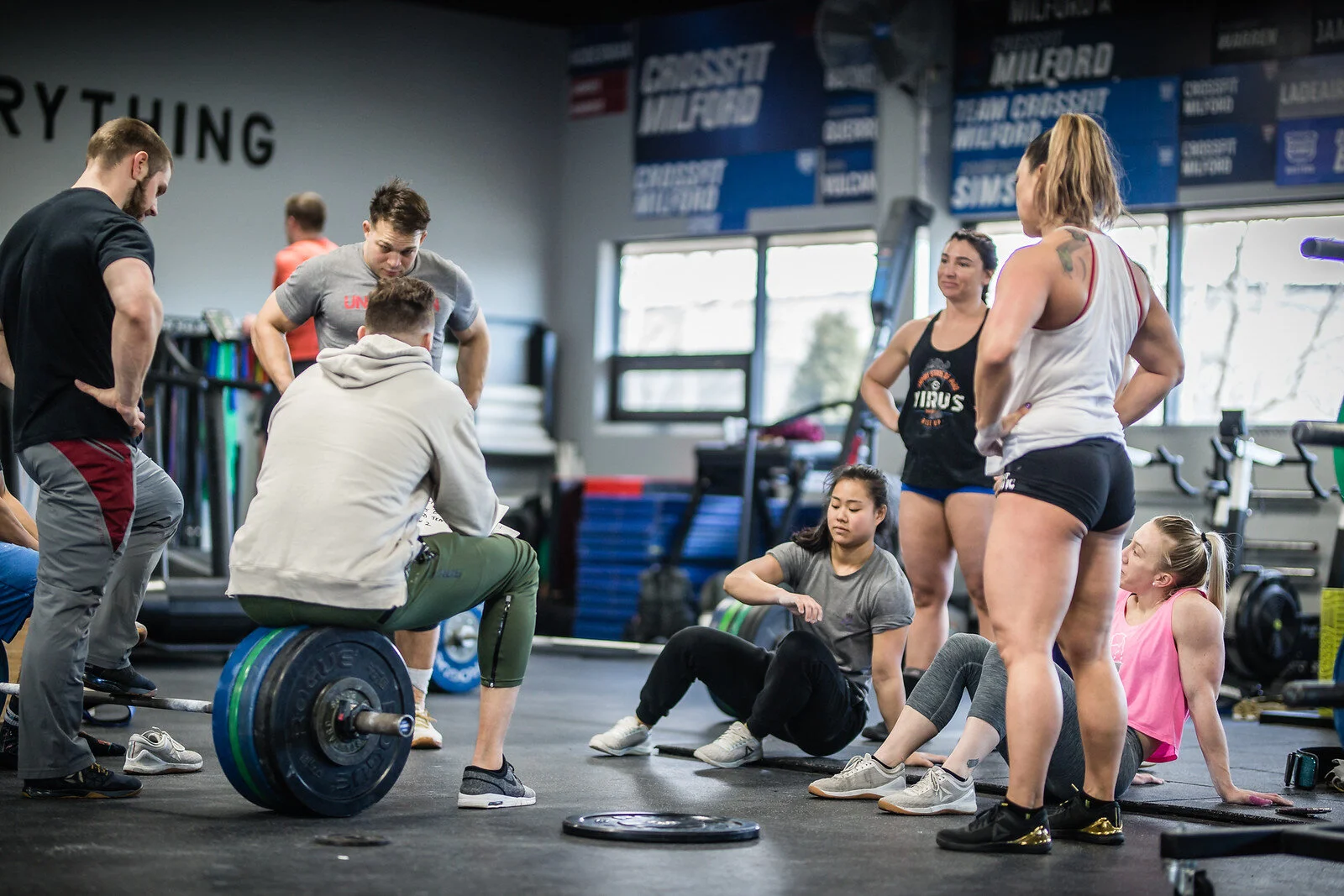
A good fitness test should make powerful people nervous and fast people uncomfortable. CrossFit Competition Programming sits between those two pressures, which is why the debate around it has lasted so long. Fans see a blunt exam of strength, stamina, skill, and nerve. Critics see a sport that changes the test so often that the winner may be the best adapter, not the best athlete. The truth lands in a harder place. The sport can produce broad capacity, but it does not measure every kind of athletic range with the same clarity. For U.S. gym owners, weekend competitors, and readers following sports performance coverage, the better question is not whether the format is perfect. It is whether the test rewards enough useful traits to deserve its claim. Most of the time, it does. But the gaps matter, especially when a leaderboard starts sounding like a final answer on human fitness. Good programming should reveal range without pretending one weekend can explain the whole athlete.
What CrossFit Competition Programming Actually Tests
The sport is built around mixed stress. A workout might ask you to move a loaded bar, breathe through rowing, then control your body on rings while your forearms burn. That mix is not random noise. It is the test. The official CrossFit Games rulebook frames the Open as the first stage of the season, and recent Open formats show how short public tests can still expose broad limits. A wall-ball and box jump-over workout tells one story. A burpee, clean, and thruster ladder tells another. Neither one proves complete athletic worth alone.
Mixed Modal Workouts Reward Transfer, Not Specialization
A specialist wants clean conditions. A distance runner wants pace, air, rhythm, and a course that makes sense. A powerlifter wants three lifts, long rest, and tight rules. CrossFit asks a rougher question: can your strength survive after your breathing gets messy?
That is where functional fitness training becomes different from standard gym work. A 315-pound deadlift matters, but it matters more when the athlete can still hinge well after ski calories or toes-to-bar. The same goes for gymnastics. A clean bar muscle-up looks sharp when fresh. It tells more when it appears after squats, jumps, and a sprint to the rig.
A strong example sits inside many U.S. local competitions. The first event may be a one-rep clean. The second may be a 12-minute couplet with dumbbell snatches and chest-to-bar pull-ups. The athlete who wins both is rare. The athlete who stays near the top in both is the one the sport tends to reward. The hidden skill is transfer. Can the athlete carry body control from the rig to the bar? Can they move from a bike to a sandbag without acting as if they entered a new sport? That is why a mixed test can feel unfair to specialists. It is not asking who owns the best single tool. It is asking who can keep tools working after the room changes.
The Best Athletes Are Usually Boring in Training
Here is the odd part. A wild-looking sport often favors dull habits. The elite athlete who seems ready for chaos usually built that range through slow, repeated work: strict pulling, easy aerobic pieces, controlled lifting, sleep, food, and patient movement drills.
That matters because CrossFit Games workouts look dramatic on a broadcast, but the foundation is not dramatic at all. You do not become well rounded by chasing surprise every day. You become hard to expose by removing leaks before the test finds them.
Think about double-unders. Many beginners treat them like a trick. In competition, they are tax. Miss six times, spike your heart rate, grip the rope harder, then walk to the barbell angry. That small skill can turn a capable athlete into a rushed athlete. The test did not need a marathon to find the weakness. It needed a rope. A coach in a Kansas City affiliate may spend ten quiet minutes fixing an athlete’s catch position on light power cleans. That work will not trend online. Still, six weeks later, it can decide whether the athlete cycles reps safely or burns out after the first set. The sport looks like chaos from the stands. Up close, it rewards people who did the plain work when nobody cared.
The Case for Well Rounded Athletes Is Stronger Than Critics Admit
The fairest defense of CrossFit is simple: few sports punish missing pieces this quickly. In a standard gym, you can hide from the thing you dislike. In a powerlifting meet, poor running never appears. In a 10K, weak shoulders never matter. CrossFit puts more traits on the table, then asks the athlete to manage the cost of each one. That does not make the test flawless. It makes it harder to fake. It also explains why former athletes from football, wrestling, swimming, track, and gymnastics can all look gifted for ten minutes, then suddenly ordinary when the test shifts.
Strength Without Skill Still Leaks Points
Raw strength gives you a head start, not a free pass. A former college linebacker may walk into an affiliate in Dallas and front squat more than half the room. Then handstand walks appear. Suddenly his power has no place to go. The body that owned the bar now has to balance upside down under fatigue.
This is where the claim about well rounded athletes holds weight. The sport does not worship strength in isolation. It asks strength to behave. Can you cycle a bar without losing shape? Can you receive a clean with tired legs? Can you stay calm when the judge no-reps your depth?
The non-obvious lesson is that skill protects fitness. Good technique is not decoration. It saves oxygen, grip, and time. A clean wall walk may not look as heroic as a max snatch, but it can save a lane in the standings because it keeps the athlete from bleeding seconds on every rep. This is also where CrossFit can humble athletic backgrounds that look superior on paper. A former swimmer may have lungs for days but lose ground when the workout moves to overhead squats. A former gymnast may float through ring work but struggle when heavy dumbbells enter. The sport favors the athlete who has fewer dead zones, not the athlete with the flashiest past.
Engine Work Changes How Heavy Barbells Feel
The word “engine” gets thrown around, but in CrossFit it has a clear meaning. It is not only long, steady cardio. It is the ability to recover while still working. That ability changes the way every later station feels.
Take a 20-minute workout with rowing, burpees, and moderate power cleans. The bar may not be heavy on paper. Yet after eight minutes, the athlete without aerobic depth starts lifting as if the load grew. Breathing turns into panic. Rest breaks grow. The hands go to the knees.
That is why functional fitness training often blends strength and breathing instead of keeping them in separate boxes. For everyday athletes, this can be more useful than it first appears. Carrying groceries upstairs, hiking in Arizona heat, playing pickup basketball, or helping a friend move a sofa all ask for mixed output. Life rarely respects clean categories. CrossFit did not invent the idea that endurance and strength can live together, but it made the pairing visible to ordinary gym members. In many American weight rooms, cardio was once treated as the thing lifters did to lose fat, not a performance trait. CrossFit changed that mood. A big clean still matters. So does the ability to pick it up again while your lungs argue.
Where the Test Can Miss Real Athletic Range
A strong defense still needs a limit. CrossFit is broad, but it is not the same as every sport blended into one. It favors certain bodies, certain skills, and certain recovery profiles. It also depends on what events appear. A single weekend cannot measure all athletic traits with equal fairness. This is where criticism earns its place. The sport is best judged as a demanding sample, not a complete map.
Event Selection Can Hide Weaknesses
Programming decides the lens. If a competition skips high-skill gymnastics, powerful athletes gain cover. If it skips max lifting, lighter endurance athletes gain cover. If it repeats similar squatting patterns across the weekend, one group pays a larger cost than another. The athlete did not change. The test changed.
The 2026 Open gave a public version of this issue. Three workouts can invite millions of people into the same event, which is good for the sport. But three workouts cannot test every major capacity. A short season opener built around wall balls and box jump-overs gives one kind of picture. A later bar and burpee test gives another. The final ranking may be fair inside that format while still being incomplete.
That is not a scandal. It is a design tradeoff. Every sport has one. The mistake comes when fans treat a leaderboard as if it measured every possible trait instead of the traits chosen that week. There is also a body-type question that serious fans should admit. Some events favor shorter limbs and quick cycle rates. Some favor height, reach, or longer pulling power. A fair season should rotate those advantages instead of letting one profile dominate. The best tests do not remove advantage. They spread it around until no athlete gets comfort for long.
Competition Rewards Game Sense Alongside Fitness
Another missed piece is strategy. CrossFit rewards fitness, but it also rewards athletes who know how to suffer in the right order. That is not cheating the test. It is part of the sport.
Watch two athletes with similar strength in a workout with 75 thrusters and pull-ups. One opens too hot because the crowd is loud. The other breaks early, keeps short rests, and passes three people after the halfway point. The second athlete may not be fitter in a pure lab sense. They are a better competitor.
This creates a counterintuitive point: the test can produce well rounded competitors, not only well rounded bodies. That distinction matters. A calm athlete with smart pacing may beat someone with better raw numbers. In a CrossFit setting, judgment under fatigue is a skill. It belongs in the result, even if it frustrates people who want a cleaner measurement. The same thing happens in lane management. Where do you place your jump rope? How far is the chalk bucket? Do you drop the bar forward or step back? Tiny choices can add up across a workout. A Los Angeles athlete who has practiced transitions may beat a stronger athlete who treats the floor like an afterthought. That is not luck. It is craft.
How Everyday CrossFitters Should Read the Sport
Most Americans do not need to train like Games athletes. A parent taking 5:30 a.m. classes in Ohio, a nurse squeezing in three sessions a week, or a former high school athlete trying to feel sharp again does not need elite volume. The sport can still teach them a useful lesson: broad fitness is built by covering weak spots, not by copying the leaderboard. The trick is knowing what to borrow. Borrow the standards. Borrow the patience. Leave the reckless volume alone.
Train for Capacity Before Chasing Leaderboards
Leaderboards are fun, but they can pull normal athletes toward bad decisions. A scaled athlete may rush pull-ups before building strict strength. A decent lifter may try elite bar cycling with a back that rounds after rep 20. Competition makes flaws public. Training should make them smaller first.
The better path is boring and honest. Build strict pulling before kipping volume. Learn to brace before heavy touch-and-go deadlifts. Add zone 2 aerobic work even when it feels less exciting than a short burner. Follow a simple strength training plan for busy adults if your base is thin.
The U.S. health guidance on physical activity points people toward both aerobic work and strength work, which fits the general direction of CrossFit even if the sport adds skill and intensity. The insight for regular members is plain: you do not need a podium goal to benefit from balanced work. You need enough range to live better outside the gym. That may mean taking a step back in the short term. Use a lighter kettlebell if it keeps your hinge sharp. Scale handstand push-ups before your neck takes the bill. Run slower on easy days so hard days can stay honest. The best long-term athletes are not the ones who win Tuesday. They are the ones still improving next year.
Use Competition Lessons Without Copying Elite Volume
The worst mistake is treating elite sport as a normal class plan. Games-level athletes may train multiple sessions per day, manage food closely, and build years of tissue tolerance. A recreational athlete with a desk job and two kids does not share that recovery budget.
Still, CrossFit Games workouts can teach useful lessons. They show that movement standards matter. They show that pacing beats panic. They show that a weakness ignored in March may become the whole story in a June qualifier. Those lessons scale down well.
For most people, the win is not more punishment. It is better selection. Pair hard metcons with easy aerobic days. Keep skill practice low-fatigue. Take recovery seriously enough that progress can repeat. A guide to recovery habits for high-intensity athletes may do more for your next competition than another redline workout. The American affiliate model helps here when coaches protect members from ego. A good coach can turn a Games-style idea into a class workout that keeps the lesson and removes the harm. The athlete still learns pacing, standards, and mixed movement. They do not need the same volume that paid professionals survive.
Conclusion
CrossFit will never satisfy people who want athletic ability reduced to one clean number. That is part of its appeal and part of its flaw. It tests how traits collide, not how they behave alone. A strong athlete has to breathe. A fast athlete has to lift. A skilled athlete has to stay skilled after fatigue starts making choices for them. CrossFit Competition Programming can produce broad competitors because it punishes narrow preparation with unusual speed. Yet it still reflects the events chosen, the standards used, and the strategy required on that day. The best way to read the sport is with respect, not blind faith. It builds range when training is patient, coaching is honest, and athletes stop hiding from what exposes them. That choice keeps the sport useful for competitors and for ordinary members who want steadier lungs, safer strength, and confidence under stress week after week. The real prize is not a leaderboard screenshot. It is a body with fewer places to hide. Use the competition floor as a mirror, then go back to training with a clearer eye.
Frequently Asked Questions
Does CrossFit create well rounded athletes?
Yes, when the training includes strength, aerobic work, gymnastics skill, mobility, and recovery. The sport rewards athletes who can handle many demands under fatigue. It does not cover every athletic trait, but it exposes narrow preparation faster than most gym formats.
What makes CrossFit Games workouts different from normal workouts?
They combine movement types, time pressure, judging standards, and unknown event order. A normal workout may build fitness. A competition workout also tests pacing, transitions, movement quality, and how well an athlete thinks when tired.
Is CrossFit good for beginners who want general fitness?
Yes, if coaching is careful and workouts are scaled. Beginners should learn movement quality before chasing speed. The best early focus is consistency, safe progress, and building confidence across basic lifts, bodyweight skills, and aerobic work.
Why do some strong athletes struggle in CrossFit competitions?
Strength alone does not solve skill, pacing, or conditioning gaps. A strong athlete may lose time on double-unders, handstand walking, or high-rep breathing work. The sport asks strength to repeat under pressure, not appear once in a fresh state.
How should a recreational athlete train for a local CrossFit event?
Start by reading the movement list, then build the weakest skills first. Keep lifting, add steady cardio, practice transitions, and test pacing before the event. Do not add sudden volume in the final week. Arrive fresh enough to compete well.
Are CrossFit competitions fair tests of fitness?
They are fair inside their announced rules and standards, but no event can measure every trait. A three-workout event gives a narrower picture than a full weekend. Fairness improves when programming balances strength, skill, stamina, and movement variety.
How often should CrossFit athletes do high-intensity workouts?
Most recreational athletes do better when hard days are balanced with easier aerobic work, strength practice, and rest. High intensity works best when the body can recover from it. Too many redline sessions can flatten progress and increase injury risk.
What is the biggest weakness in CrossFit-style testing?
Event selection shapes the result. If the workouts miss a major trait, some athletes gain cover while others pay a larger cost. That does not make the sport fake. It means every leaderboard should be read through the events that created it.